Top 10 Things You Need to Know Before You go to Rome, Italy
1. It’s a Walkable City
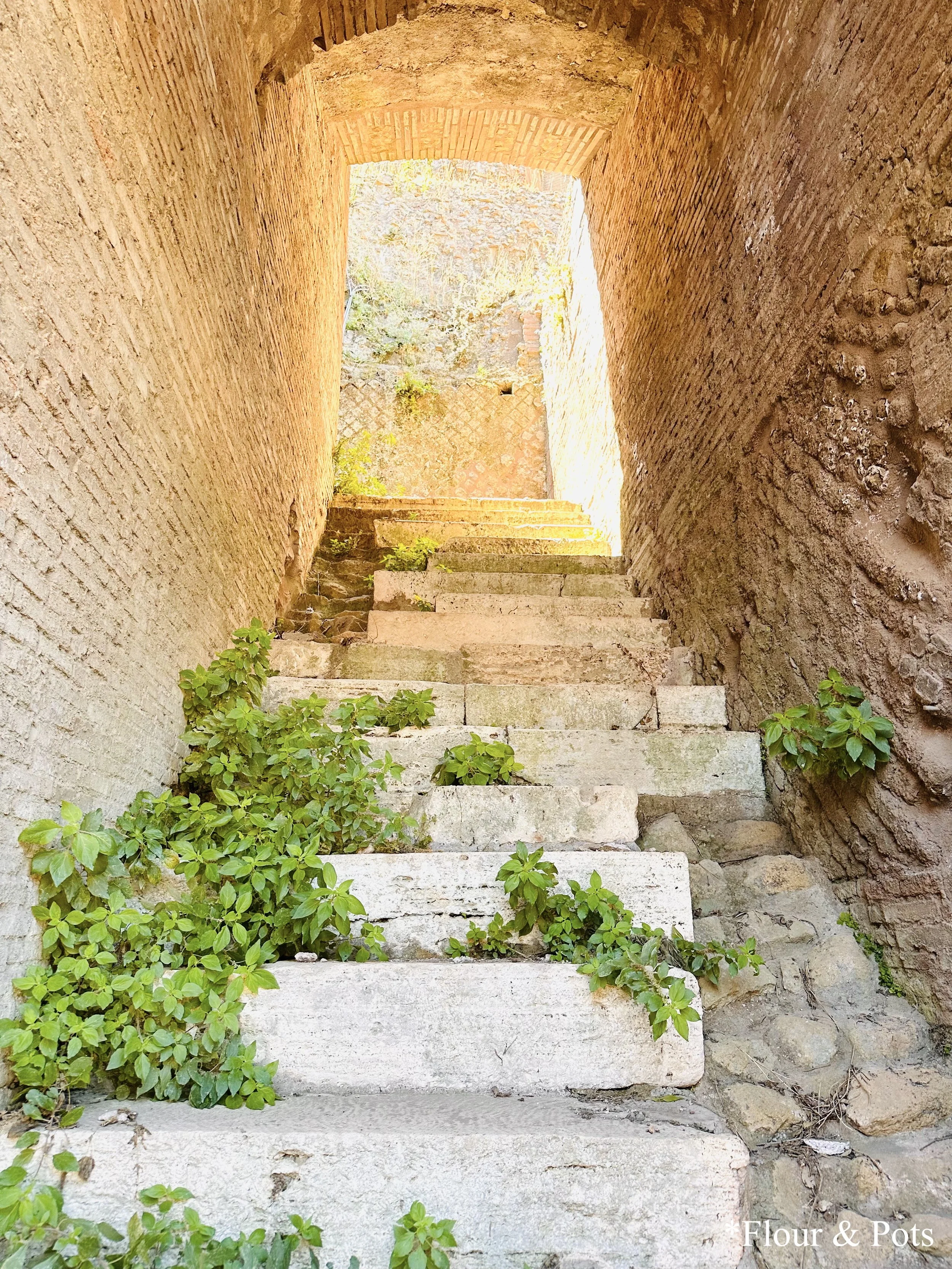
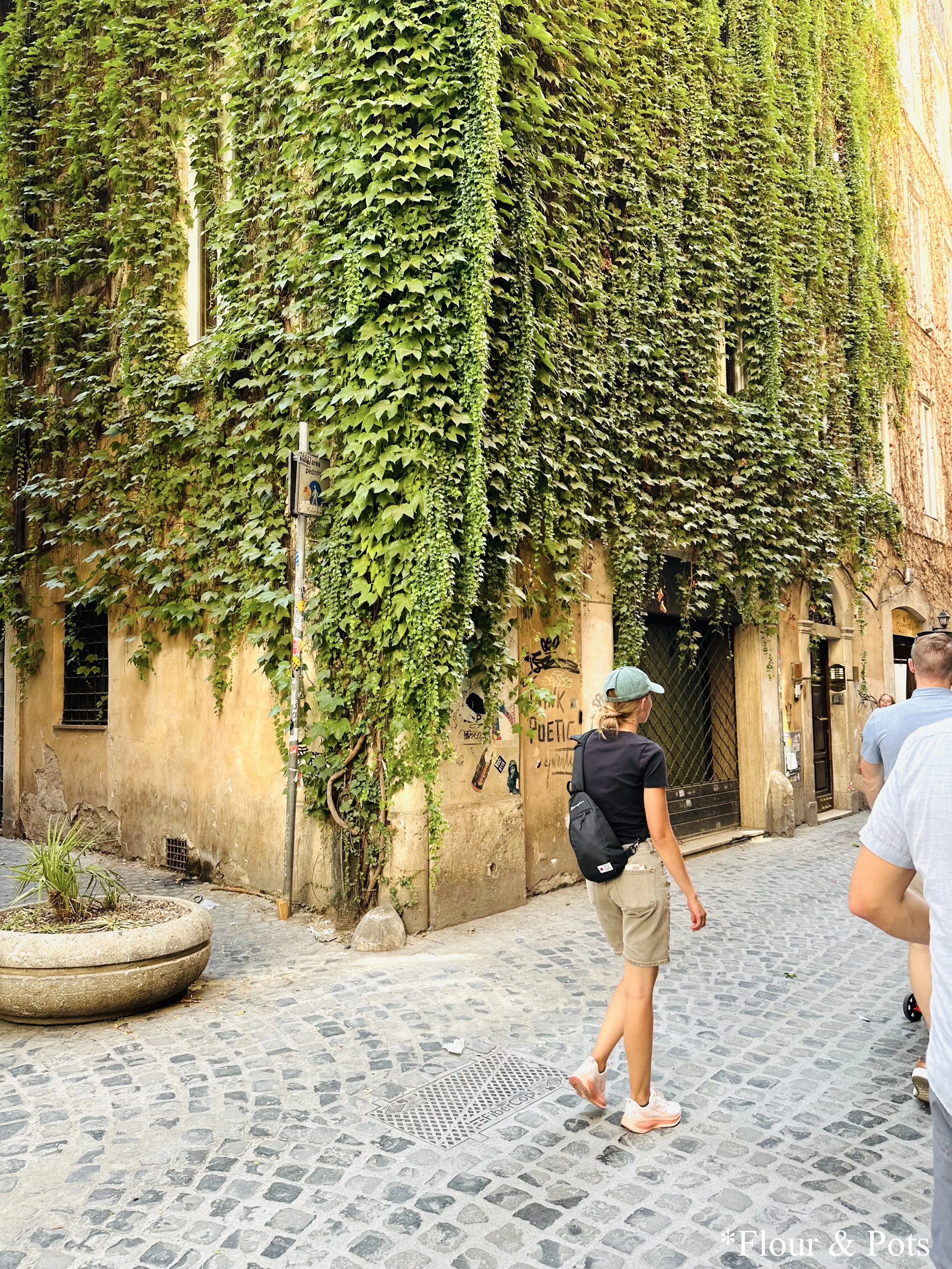
Rome is all very walkable. Many of the major sites are located close together, and if you plan your itinerary just right, you can see a lot in just a couple of days. Because you’ll be walking constantly, comfortable shoes are essential. Trust me—uncomfortable shoes can slow you down, distract from all the amazing sights you’re seeing, and honestly it can just ruin a trip! We walked 14 miles in a single day, hitting over 20,000 steps, so pack comfy shoes, breathable clothes, and snacks to keep your energy up.
Good Grouping of Sites in Rome -
You don’t have to see everything, but grouping sites together makes sightseeing manageable:
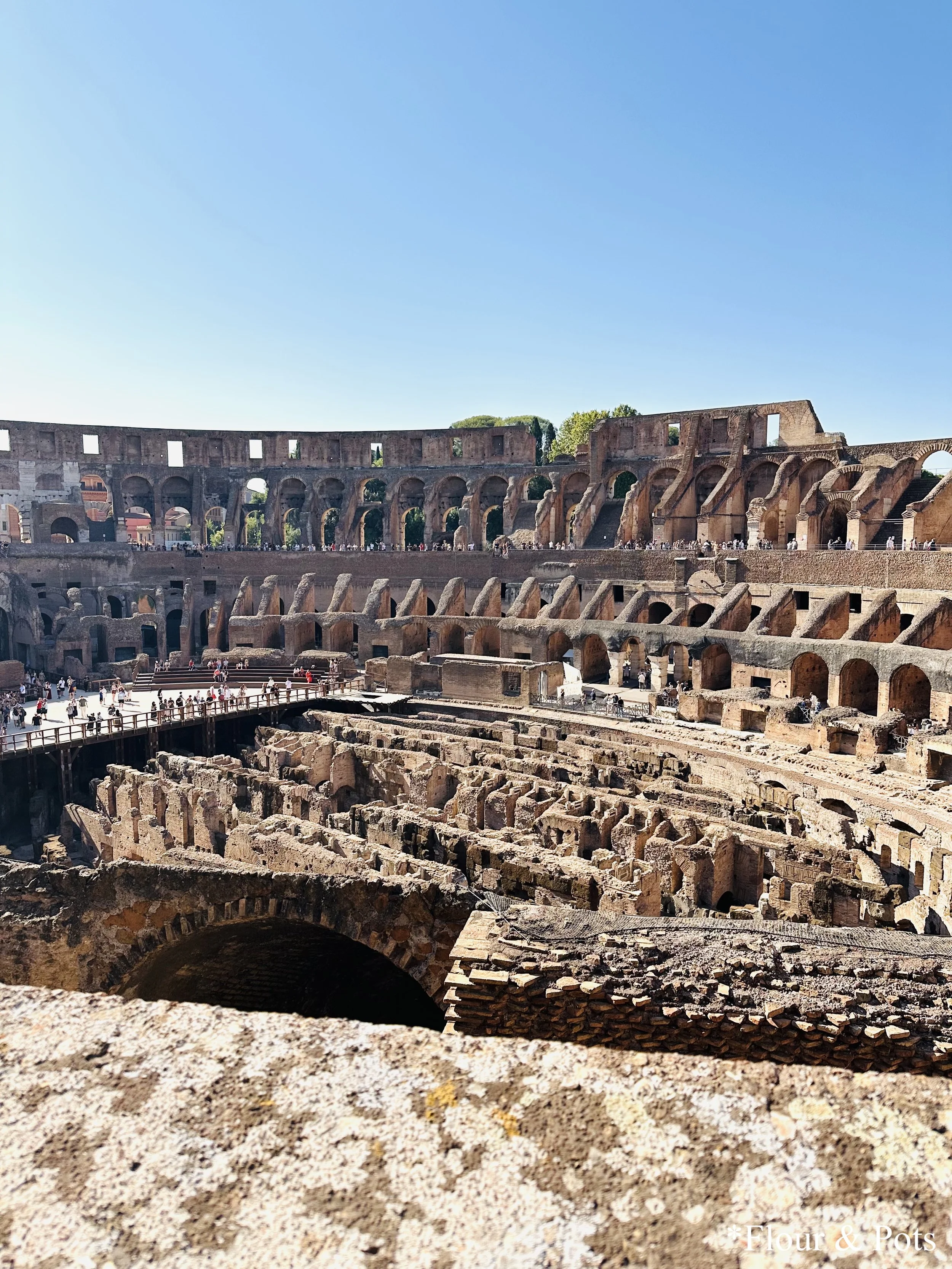
Ancient Ruins: Colosseum, Trajan’s Column, Roman Forum, Palatine Hill, Domus Aurea, Trajan’s Market, Vittoriano
Baths & Catacombs: Baths of Caracalla, Catacombs of San Callisto
Gallery, Gardens & Catacombs: Catacombs of Priscilla, Borghese Gallery & Gardens, Piazza del Popolo
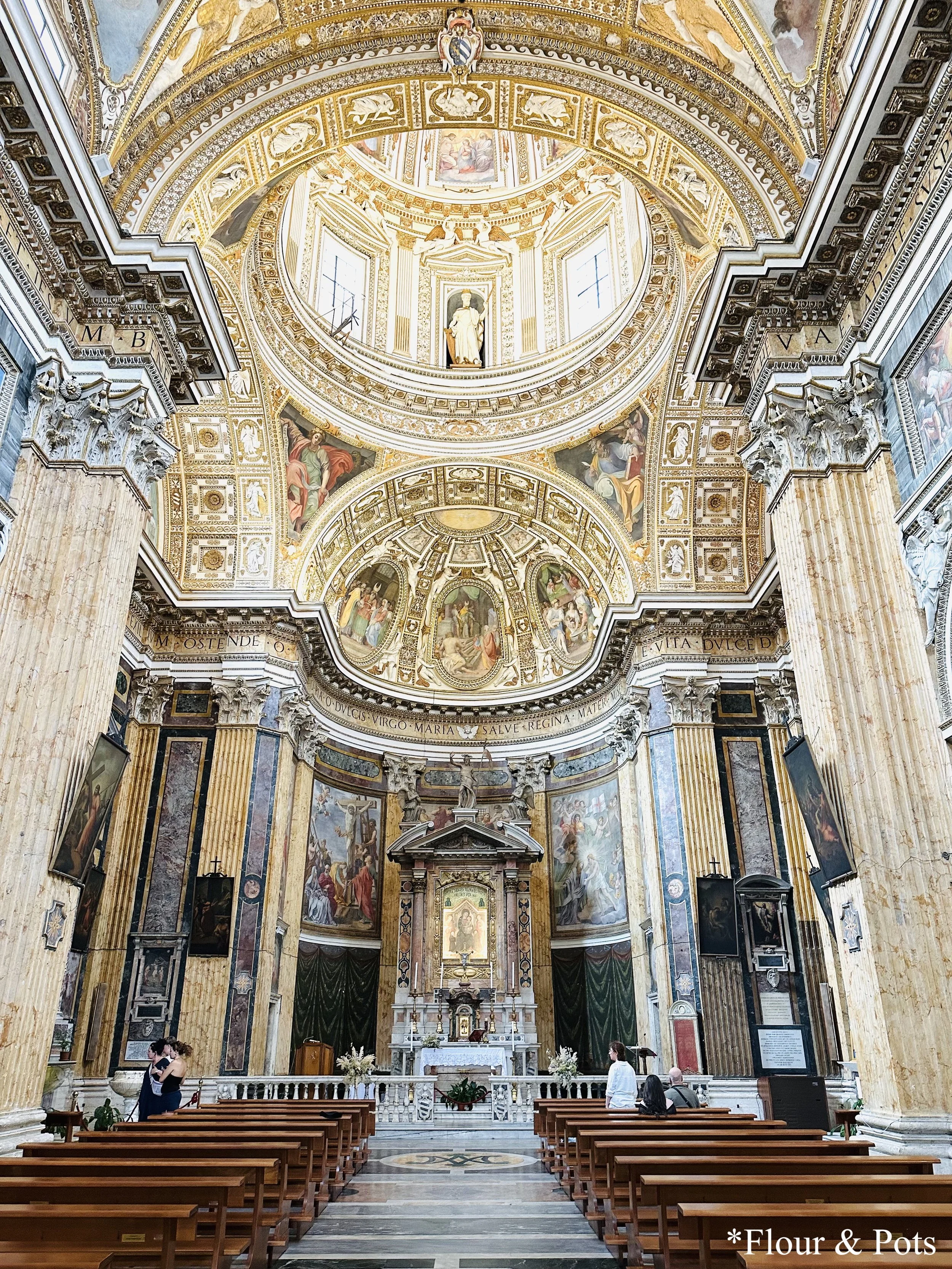
Shopping & Central Rome: Old Rome & Modern Center shops (high-end to antique stores), Trevi Fountain, Pantheon, Spanish Steps, Antico Forno Roscioli Bakery, Piazza Navona, El Gesu Church
Vatican & Castle: Vatican Museum, Sistine Chapel, St. Peter’s Basilica, St. Peter’s Square, Castel Sant’Angelo
2. So Much to See
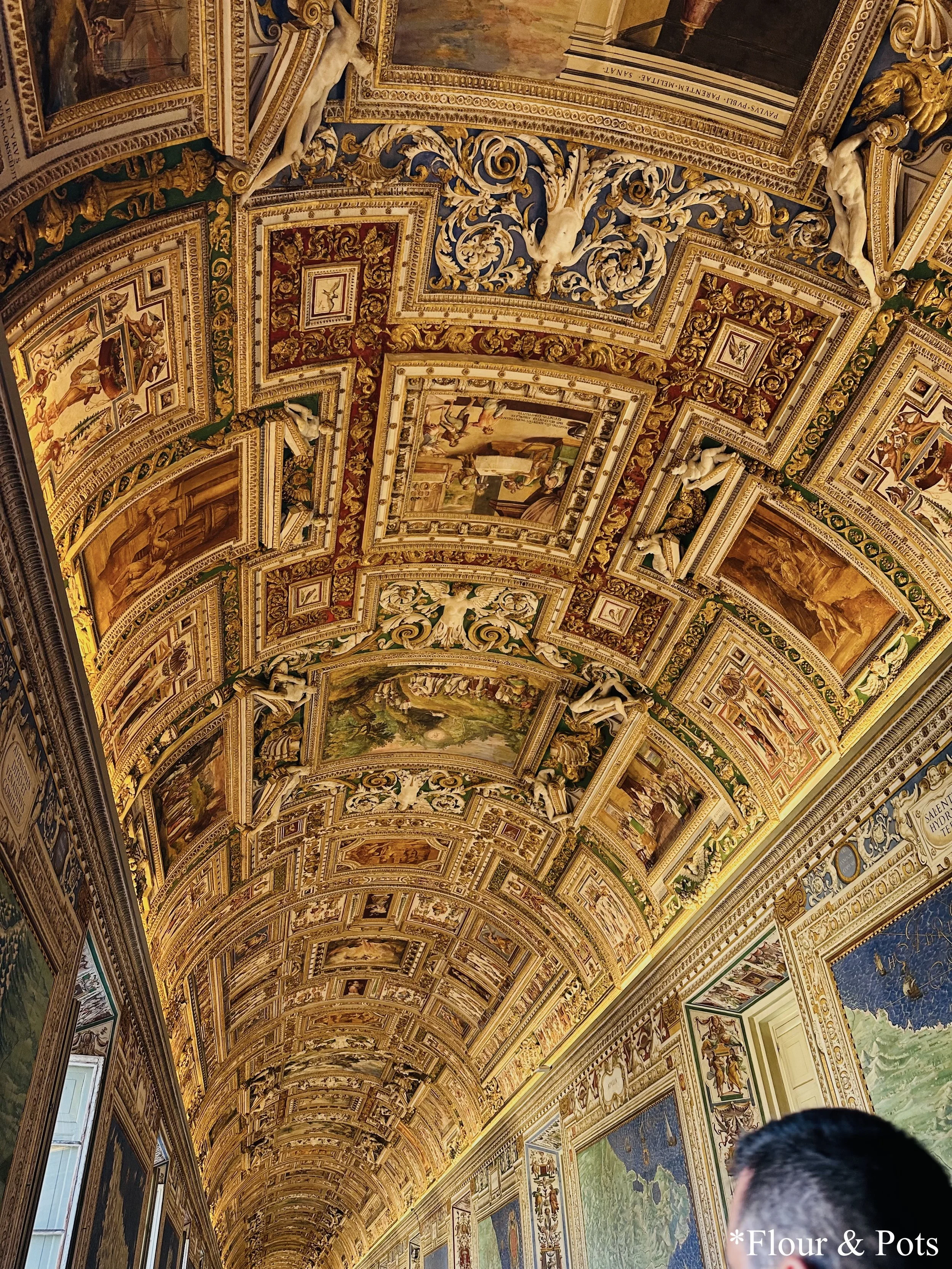
Rome is overflowing with history, art, and culture—you could spend weeks and still not even see it all. Prioritize what excites you: art, ancient ruins, churches, museums, Vatican sites, food tours, castles, olive oil tours, shopping, or something else. We all know that trip and exploring time is limited, so decide what’s most important before you go and focus on that.
Top Sights in Rome -
Colosseum, Roman Forum, Trajan’s Column, Palatine Hill
Pantheon
Circus Maximus
Trajan’s Market
Castel Sant’Angelo
Baths of Caracalla
Borghese Gallery & Gardens
Domus Aurea
Vatican Museum (Sistine Chapel) & St. Peter’s Basilica
Catacombs of Priscilla
Catacombs of San Callisto
Basilica of Santa Maria Maggiore
Trevi Fountain
Spanish Steps
Piazza Navona
Piazza del Popolo
3. Book Early – Everything Needs Tickets
Nearly every major attraction in Rome requires a ticket. Booking ahead is essential, especially during peak seasons, to avoid long lines and wasted time standing in those lines. Key attractions to book early:
Colosseum
Vatican Museum (Sistine Chapel) & St. Peter’s Basilica
Roman Forum & Palatine Hill
Domus Aurea
Castel Sant’Angelo
Borghese Gallery & Gardens

4. Traveling with a Group? Consider an Airbnb
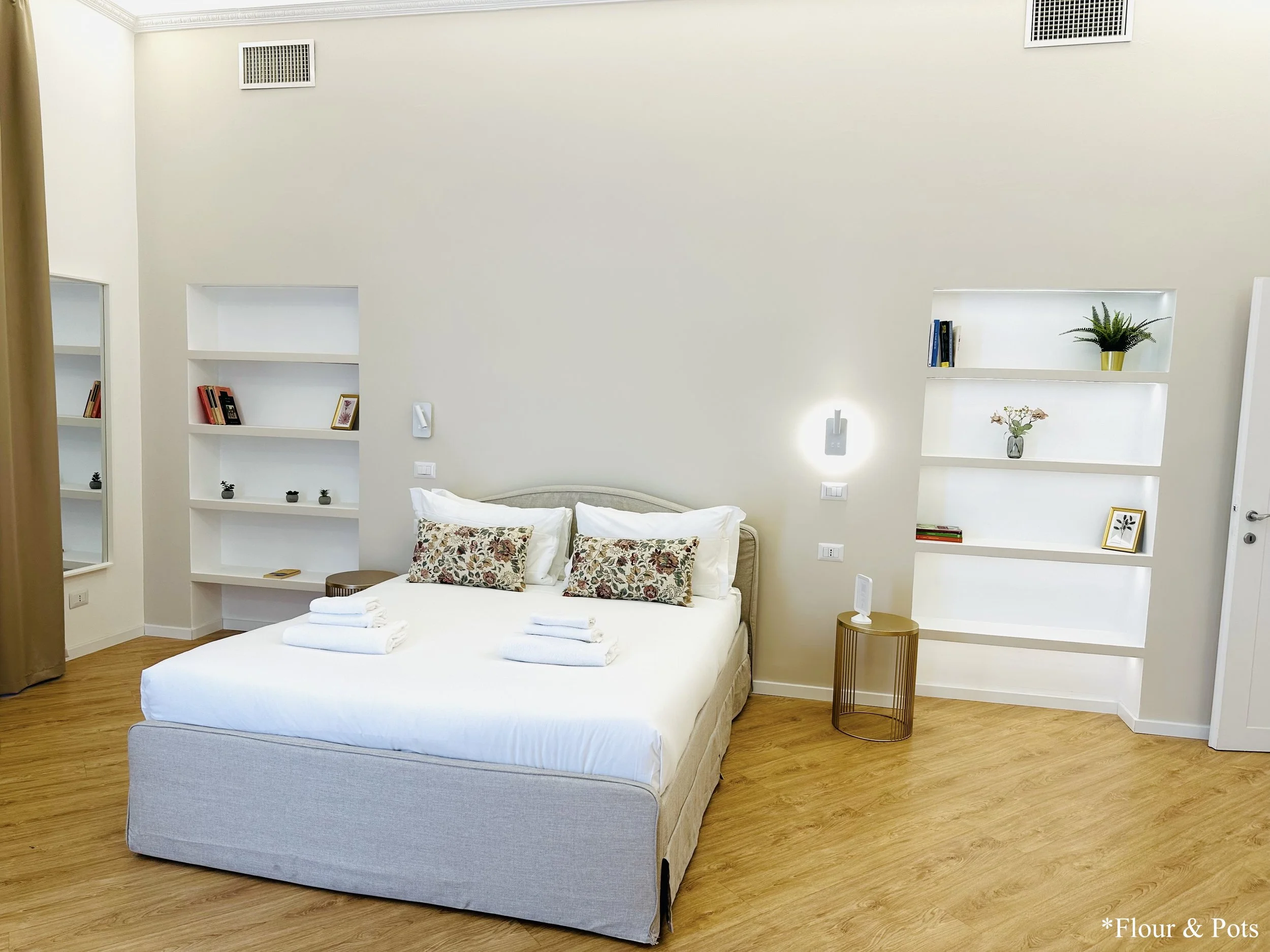
If you’re traveling with four or more people, an Airbnb is often more practical and affordable than a hotel. Apartments offer multiple bedrooms, bathrooms, a kitchen, a living space, and laundry facilities—all centrally located near top attractions. Hotels in Rome can be expensive, especially for larger groups, and are often geared toward luxury stays - that just doesn’t work for everyone.
5. Not a Car-Friendly City
Rome has many ZTL zones (limited traffic areas) to protect its ancient streets. Driving in the city can result in fines and unnecessary stress. Public transportation, taxis, and walking are the best ways to get around from point to point. For longer trips outside the city, trains or buses work perfectly too.
6. Free Water Everywhere
Rome has fresh, clean water fountains throughout the city. I recommend bringing a refillable bottle—hydration is essential for long days of sightseeing, and this also saves money compared to having to buy water everywhere. Plus, if you travel during the summer months - it’s hot - you will need the water to stay hydrated and cool in the extreme heat.
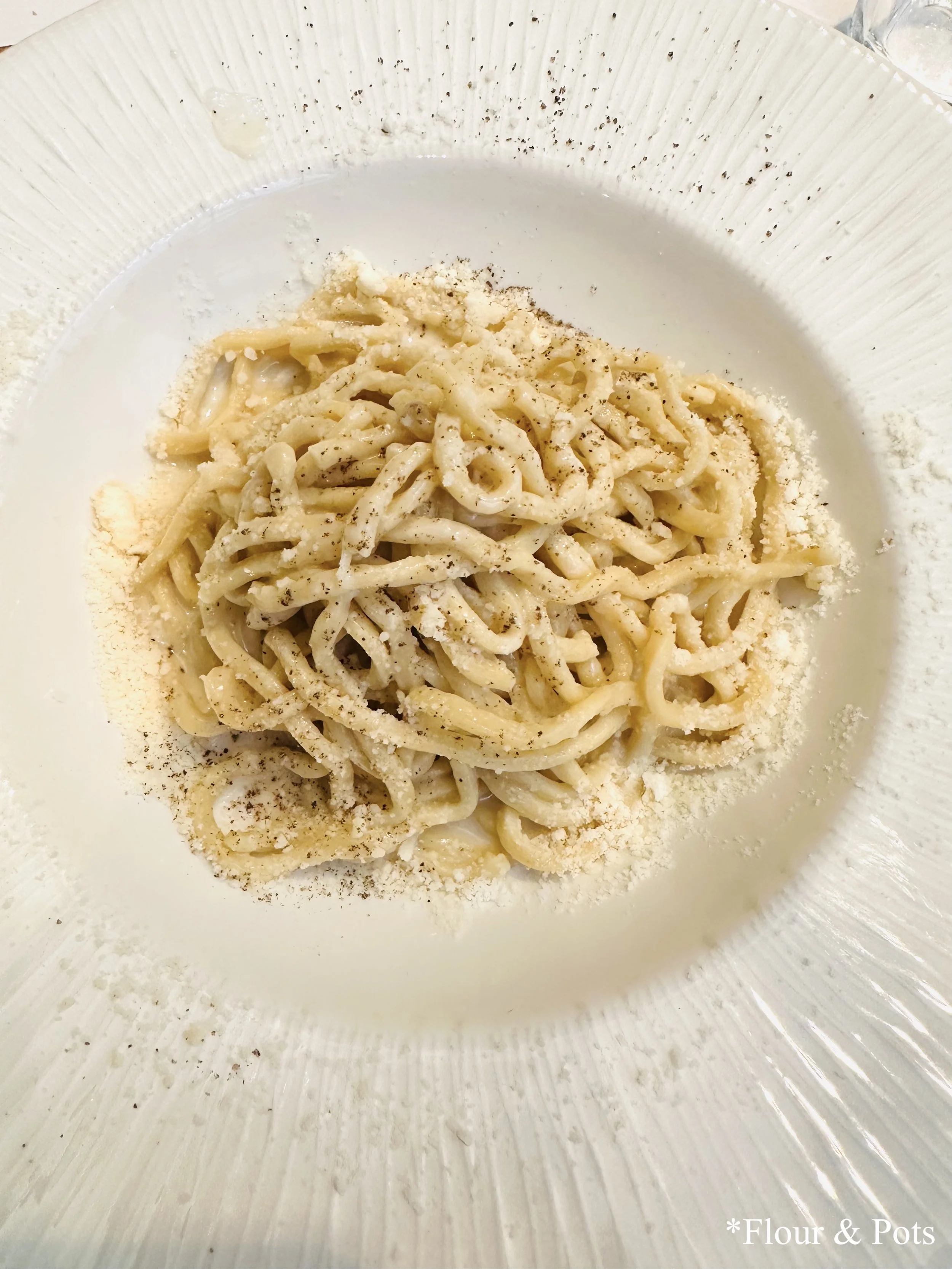
7. Find the Best Food Off the Beaten Path
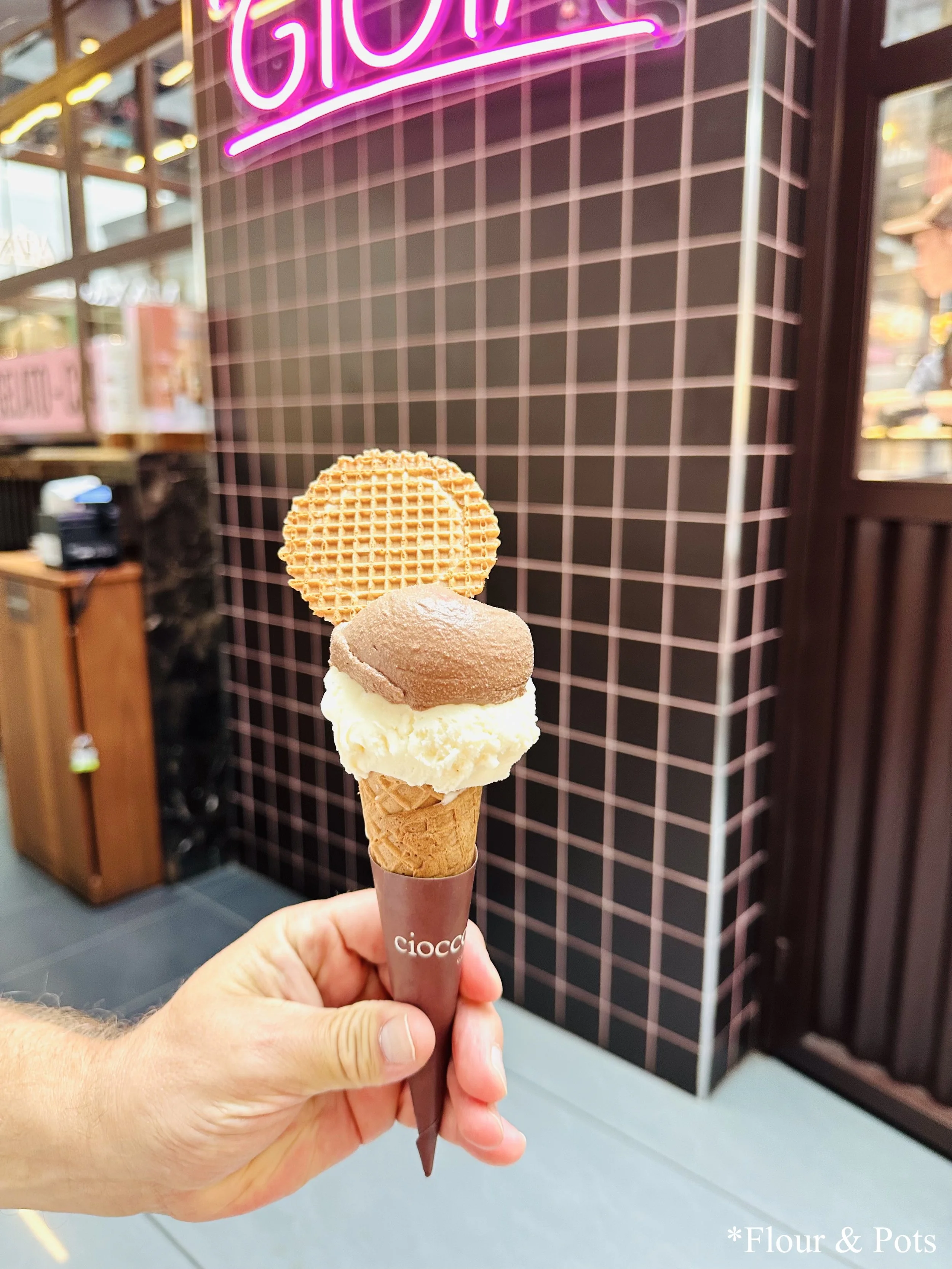
Touristy areas often serve mediocre food. The best meals and gelato are found in quieter neighborhoods that require a little more effort to find and get to. A 10-minute walk off the main streets can reward you with authentic flavors, better quality, and even more relaxed service experience.
8. Tours Can Simplify Your Trip
If planning feels overwhelming, guided tours can help you see everything you want, more efficiently. Here are Some Good Options:
Vatican Tour: Vatican Museums, Sistine Chapel & St. Peter's Basilica
Ancient Ruins Tour: Colosseum, Arena Floor, Palatine & Forum
Food Walking Tour: Trastevere & Campo de’ Fiori Street Food
Full-Day Tour: Rome in a Day (Vatican, Colosseum, Historic Center)
Private Full-Day Tour: Discover Rome with a driver
9. Rome Has Amazing Food Markets
Food markets are perfect for tasting local specialties, fresh produce, and delicious treats. Here are the top 3 markets in Rome:
10. Day Trips Outside the City
Exploring outside Rome gives you a taste of Italian countryside and even the beautiful coast. Here are some day trip examples:
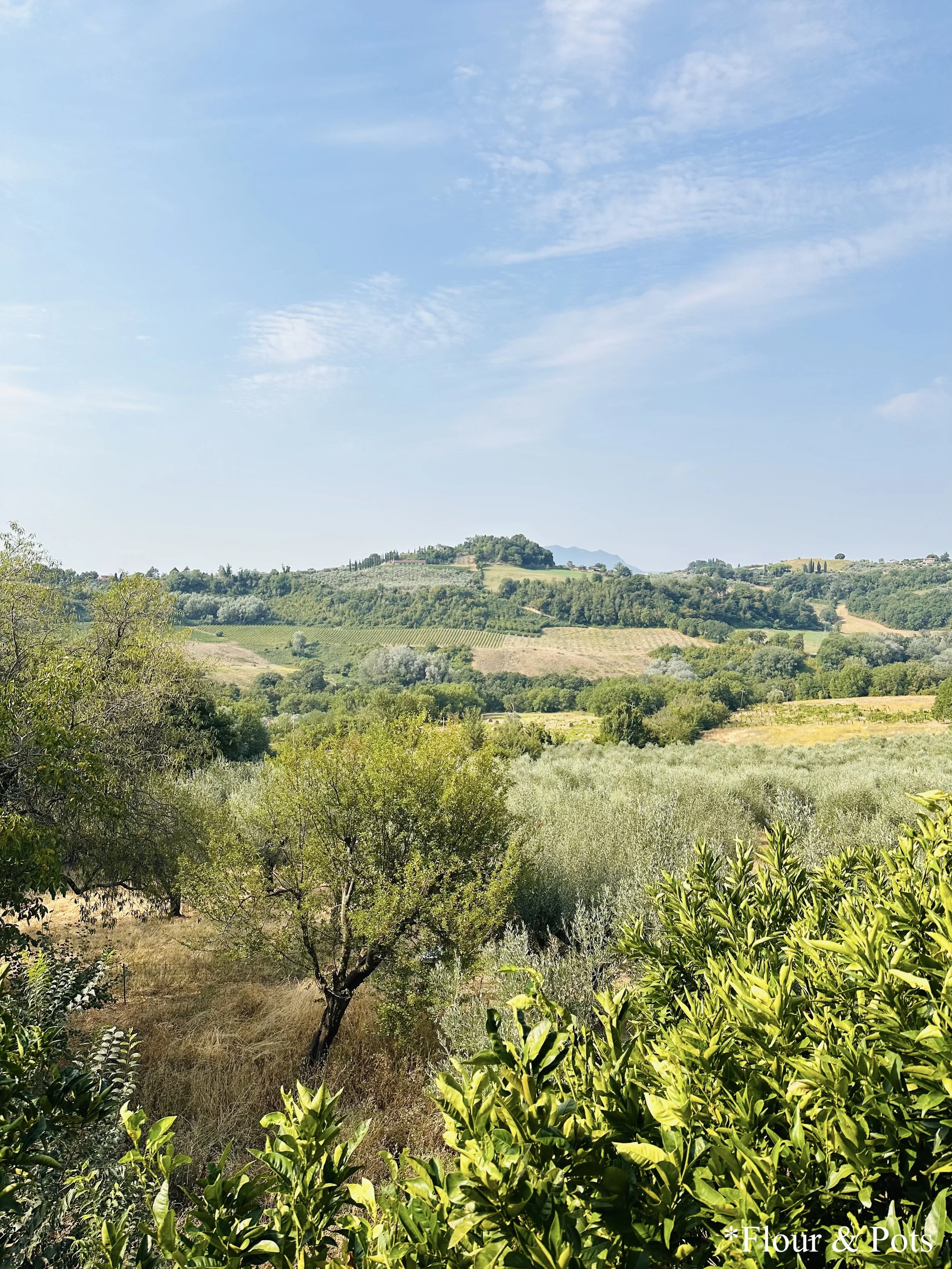
Olive Oil Tour: Sabina Hill (~45 min) – learn about olive oil production and taste fresh oil
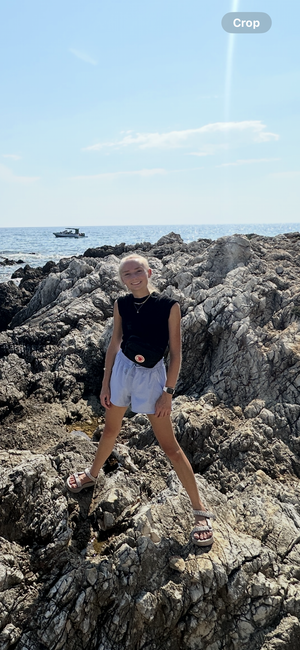
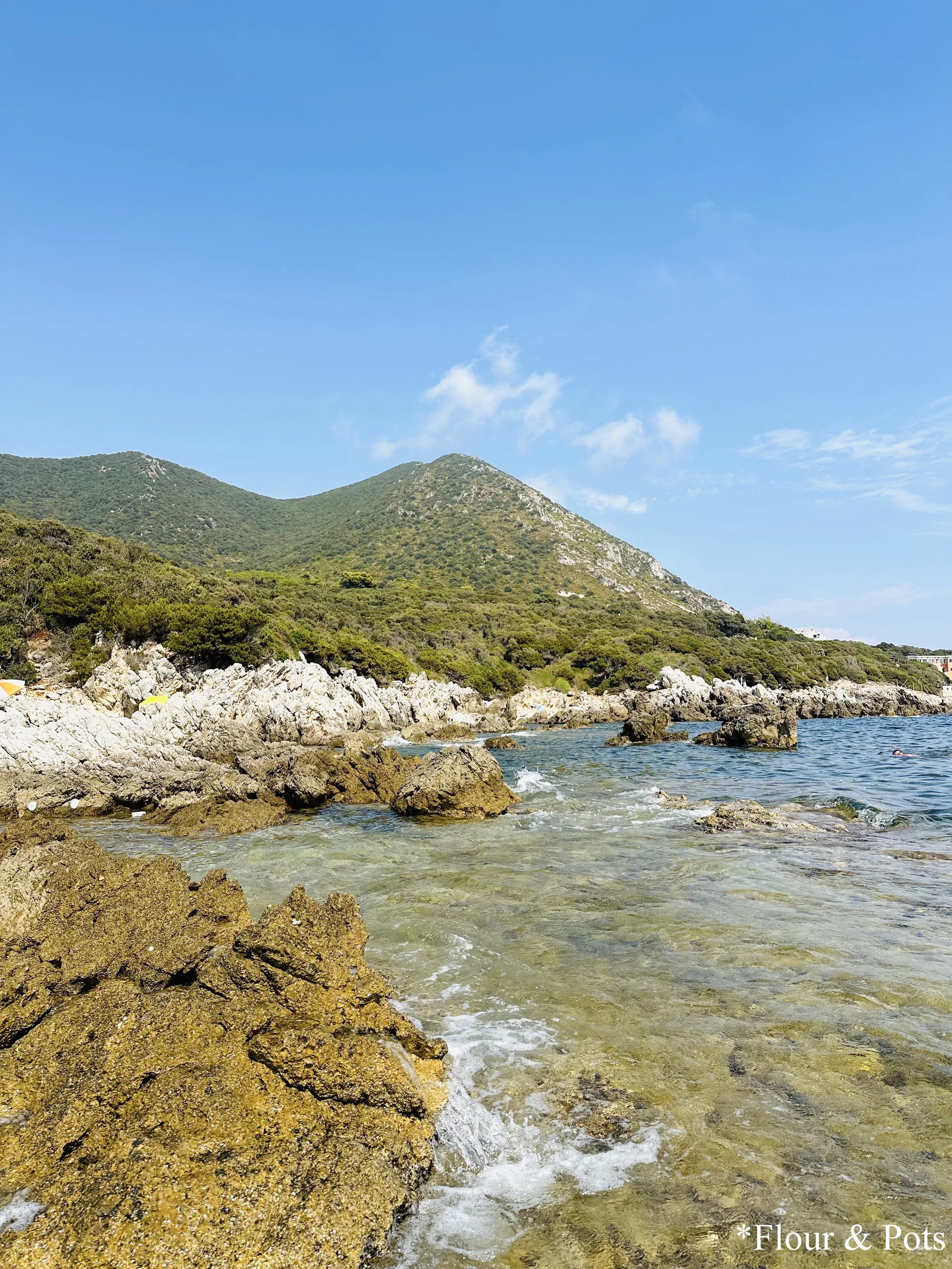
Punta Rosa: Tyrrhenian Sea (~1.5 hours) – enjoy rocky beaches, snorkeling, or boating
Naples: Beach, pizza, and ancient ruins (~2.5–3 hours by train)
Pisa: Leaning Tower, Piazza dei Miracoli, local pizza (~2.5–3 hours by train)
Florence: Mercato Centrale, David, Boboli Gardens, Duomo (~1.5 hours by train)
Final Thoughts: Rome is a city full of history, ancient wonders, and amazing food—if you know what to see, do, eat, and how to plan it just right. With a bit of preparation, thoughtful scheduling, and comfortable shoes, your trip to the Eternal City will be an adventure you’ll remember for years!